
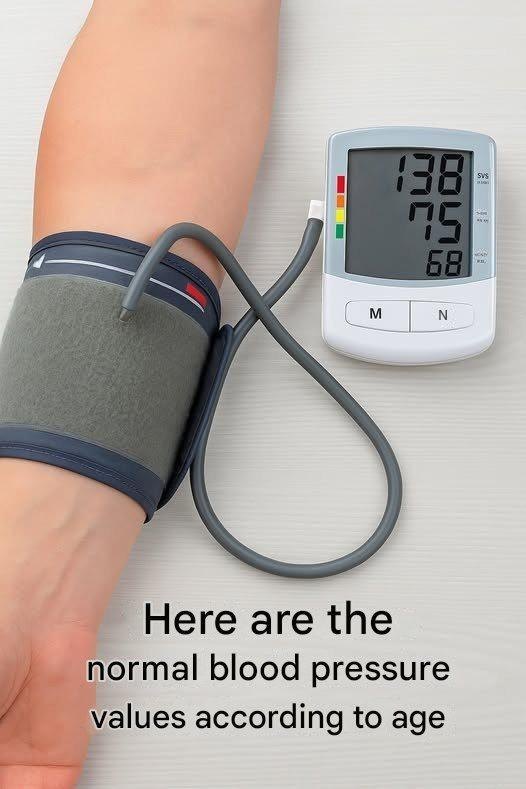
Understanding Blood Pressure: What’s Normal—and Why It Matters
Blood pressure is one of the most important indicators of overall health, yet it’s often misunderstood or ignored until problems arise. Understanding what blood pressure is, what’s considered normal, and why it matters can help you take control of your heart health and prevent serious medical conditions.
What Is Blood Pressure?
Blood pressure is the force of blood pushing against the walls of your arteries as your heart pumps. It’s measured using two numbers:
Systolic pressure (top number): The pressure in your arteries when your heart beats
Diastolic pressure (bottom number): The pressure when your heart rests between beats
A blood pressure reading looks like this: 120/80 mmHg, and both numbers are equally important.
What Is Normal Blood Pressure?
According to widely accepted medical guidelines, blood pressure categories are:
Normal: Less than 120/80 mmHg
Elevated: 120–129 / less than 80 mmHg
High Blood Pressure (Hypertension) Stage 1: 130–139 / 80–89 mmHg
High Blood Pressure (Hypertension) Stage 2: 140/90 mmHg or higher
Low Blood Pressure (Hypotension): Below 90/60 mmHg
While these numbers serve as general guidelines, individual targets may vary depending on age, medical history, and overall health.
Why Blood Pressure Matters
Maintaining healthy blood pressure is crucial because consistently high or low readings can lead to serious health complications.
Risks of High Blood Pressure
High blood pressure often develops silently, earning it the nickname “the silent killer.” If left untreated, it can increase the risk of:
Heart disease and heart attacks
Stroke
Kidney damage
Vision loss
Aneurysms
Because symptoms may not appear until damage has occurred, regular monitoring is essential.
Risks of Low Blood Pressure
Continued on next page 👇(page 2)👇
