
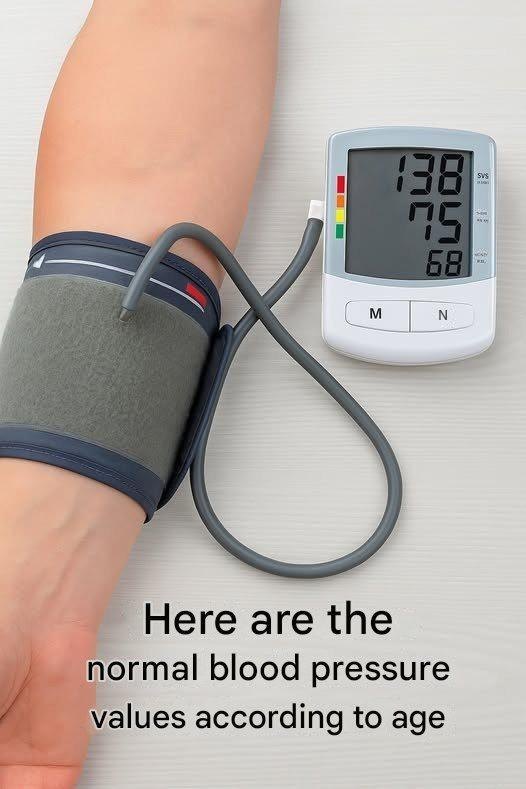
Low blood pressure is less common but can still be dangerous. It may cause:
Dizziness or fainting
Blurred vision
Fatigue
Shock in severe cases
Sudden drops in blood pressure can be particularly dangerous, especially in older adults.
Common Causes of Blood Pressure Changes
Several factors can affect blood pressure levels, including:
Poor diet (high salt and processed foods)
Lack of physical activity
Chronic stress
Smoking and excessive alcohol use
Obesity
Genetics and family history
Certain medications
Understanding these factors can help you make informed lifestyle choices.
How to Maintain Healthy Blood Pressure
The good news is that blood pressure can often be managed or improved through daily habits.
1. Eat a Heart-Healthy Diet
Focus on fruits, vegetables, whole grains, lean proteins, and healthy fats. Reducing sodium intake can significantly lower blood pressure.
2. Stay Physically Active
Regular exercise strengthens the heart, allowing it to pump blood more efficiently. Aim for at least 150 minutes of moderate activity per week.
3. Manage Stress
Chronic stress can raise blood pressure over time. Mindfulness, deep breathing, and quality sleep can make a noticeable difference.
4. Monitor Your Blood Pressure
Checking your blood pressure at home or during regular medical visits helps detect changes early.
5. Avoid Smoking and Limit Alcohol
Both can damage blood vessels and raise blood pressure levels.
When to See a Healthcare Professional
If your blood pressure readings are consistently above or below the normal range, consult a healthcare provider. Early intervention can prevent long-term complications and improve quality of life.
Frequently Asked Questions
Can blood pressure change during the day?
Yes. Blood pressure naturally fluctuates based on activity, stress, sleep, and diet.
Is high blood pressure reversible?
In many cases, lifestyle changes and proper treatment can significantly lower blood pressure.
How often should I check my blood pressure?
Continued on next page 👇(page 3)👇
